
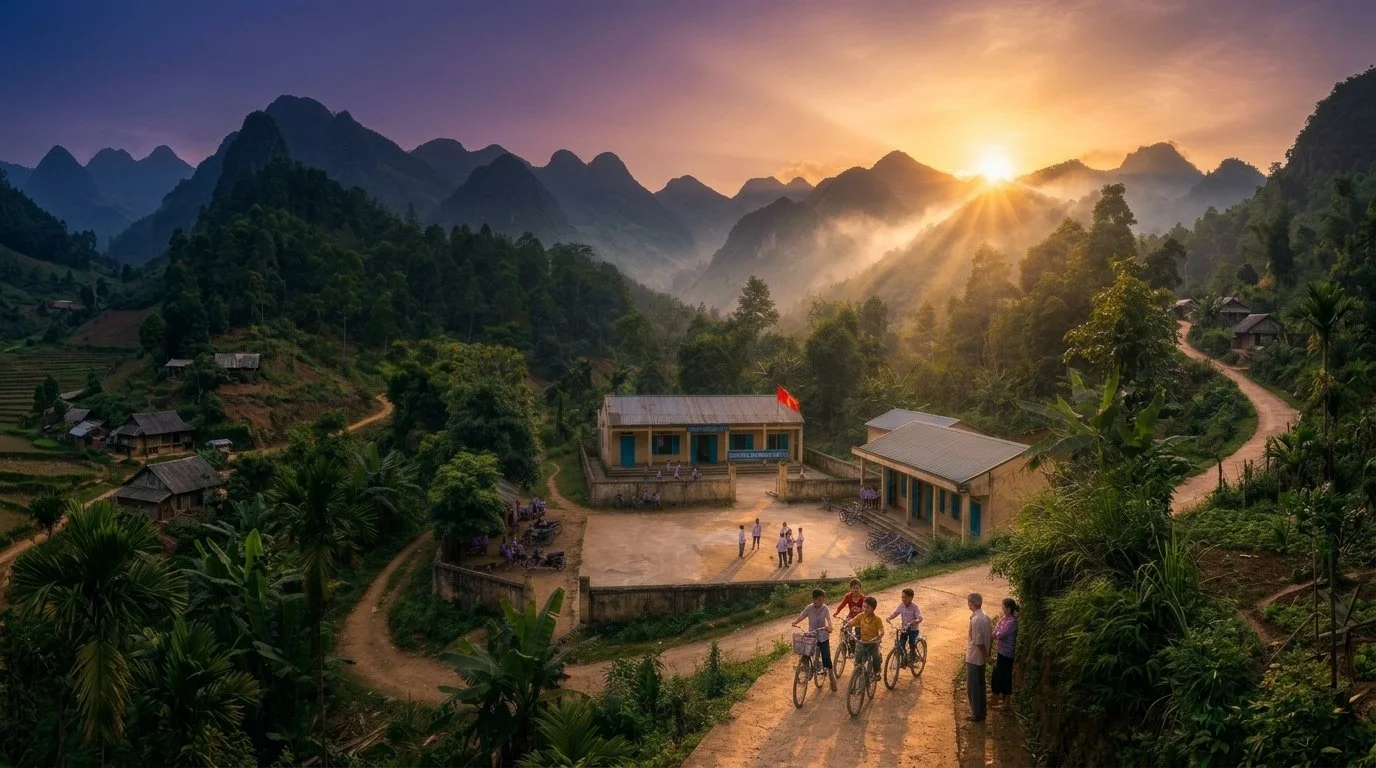
The ultimate mission is to change how architecture is understood and practiced in relation to communities: a model where education, professional practice, nonprofits, government, and communities work independently yet connect around a shared purpose.
The goal is a process in which a community identifies its needs, participates in the design, contributes to building its environment, and maintains and adapts what is built. The building is only one outcome. The others are knowledge, relationships, student education, community capacity, and a stronger sense of ownership.
This is why the work is best understood as planting seeds.
The first seed may be a small architectural project. Another may be planted in a student who begins to see architecture differently. Another in a community that realizes it can shape its own environment. Over time, those seeds grow into a larger body of knowledge and a different way of practicing architecture, one that communities participate in, build, maintain, and ultimately make their own
From Architecture to Community
The initiative traces back in summer 2014, to a trek through Sapa in northern Vietnam toward Mount Fansipan, the country's highest peak. Along the trail, young children carried construction materials nearly twice their size for a cable car being built to bring visitors to the summit. Tourism was bringing development to the region, which raised a lasting question: were local communities and their children benefiting from it equally?
Years later, on a cold mountain road in Hà Giang, small children carried younger siblings while dressed in very thin clothing. Travelers wanted to give them money, yet giving money to children along tourist routes can draw them away from school. The lesson was clear and became a founding principle: good intentions do not always create good outcomes. Truly helping a community requires first understanding its people, culture, economy, environment, and systems.
That principle guides all three pillars: renovating schools alongside the communities they serve, sending U.S. students abroad to serve with humility, and honoring Vietnamese American elders and heritage community centers at home.
Where It Begins - Founders' Experiences
Our Approach
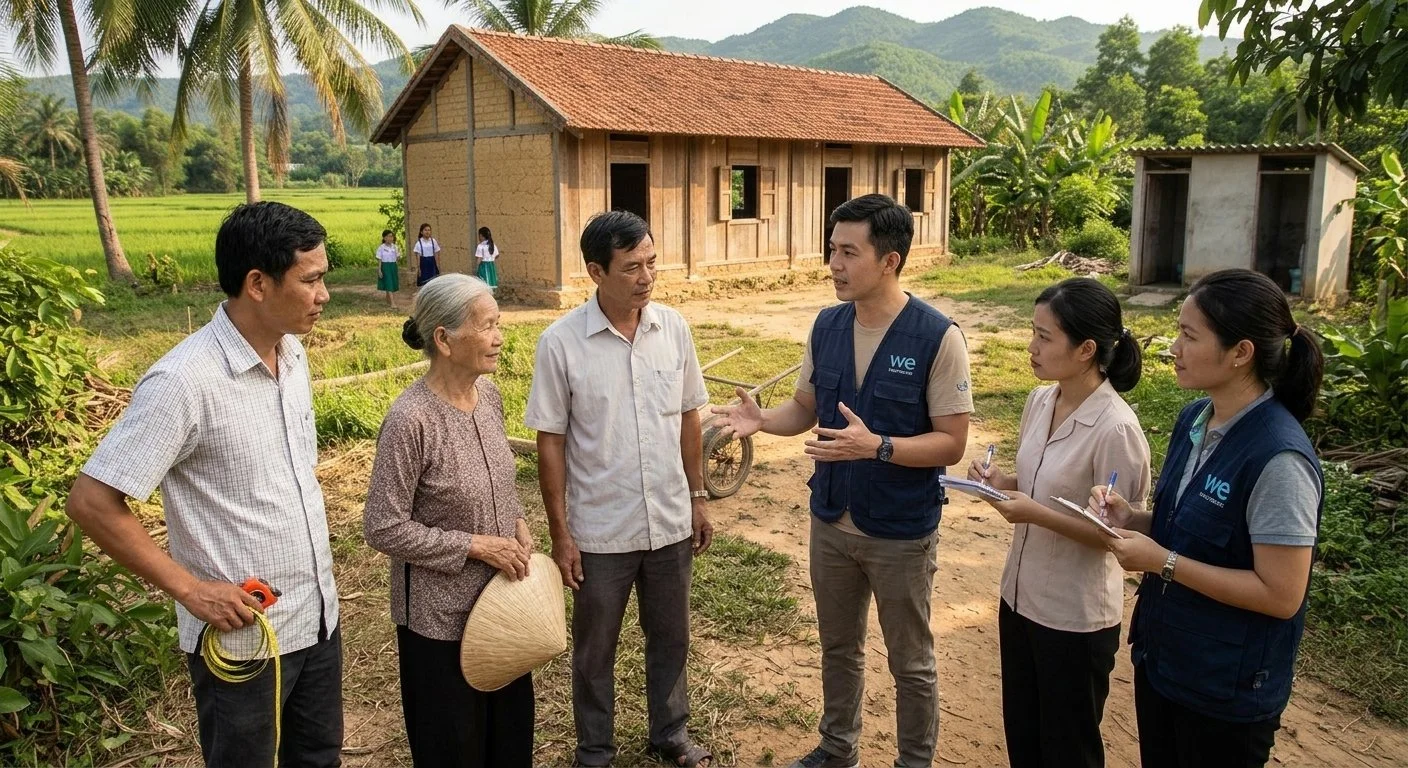
Step 1 - Listen and Assess
Local partners introduce us to schools in need. We meet with teachers, parents, and officials, assess the building’s condition, safety, and sanitation, and propose only what’s required, from basic repairs to new construction.
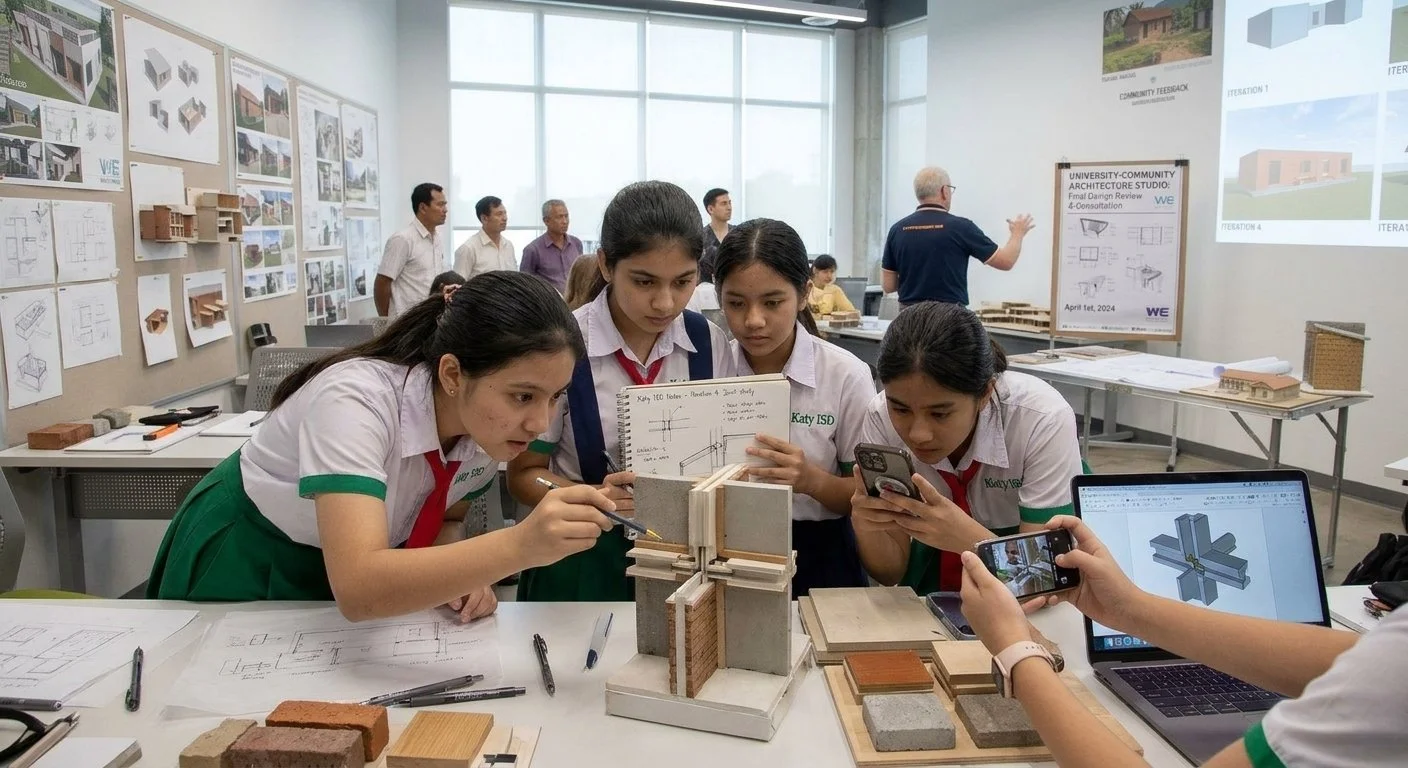
Step 2 - Design with Students
We partner with a university to make each school a studio or research project. Students develop solutions with the community, guided by faculty and our architects, and the community shapes the final direction.
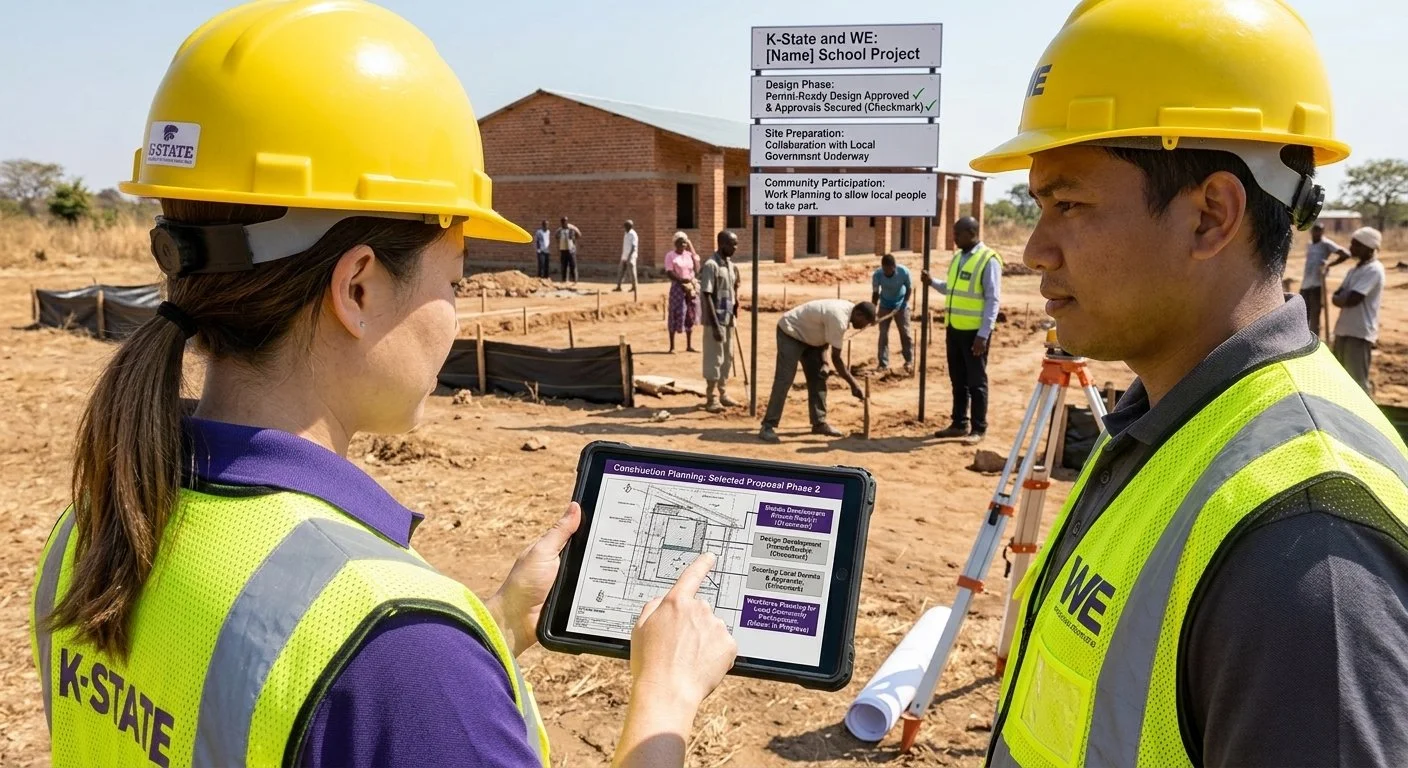
Step 3 - Make it Buildable
Once a proposal is selected and funded, professional architects and engineers turn it into a permit-ready design and secure local approval. We prepare the site with local government and plan the work so local people can take part.
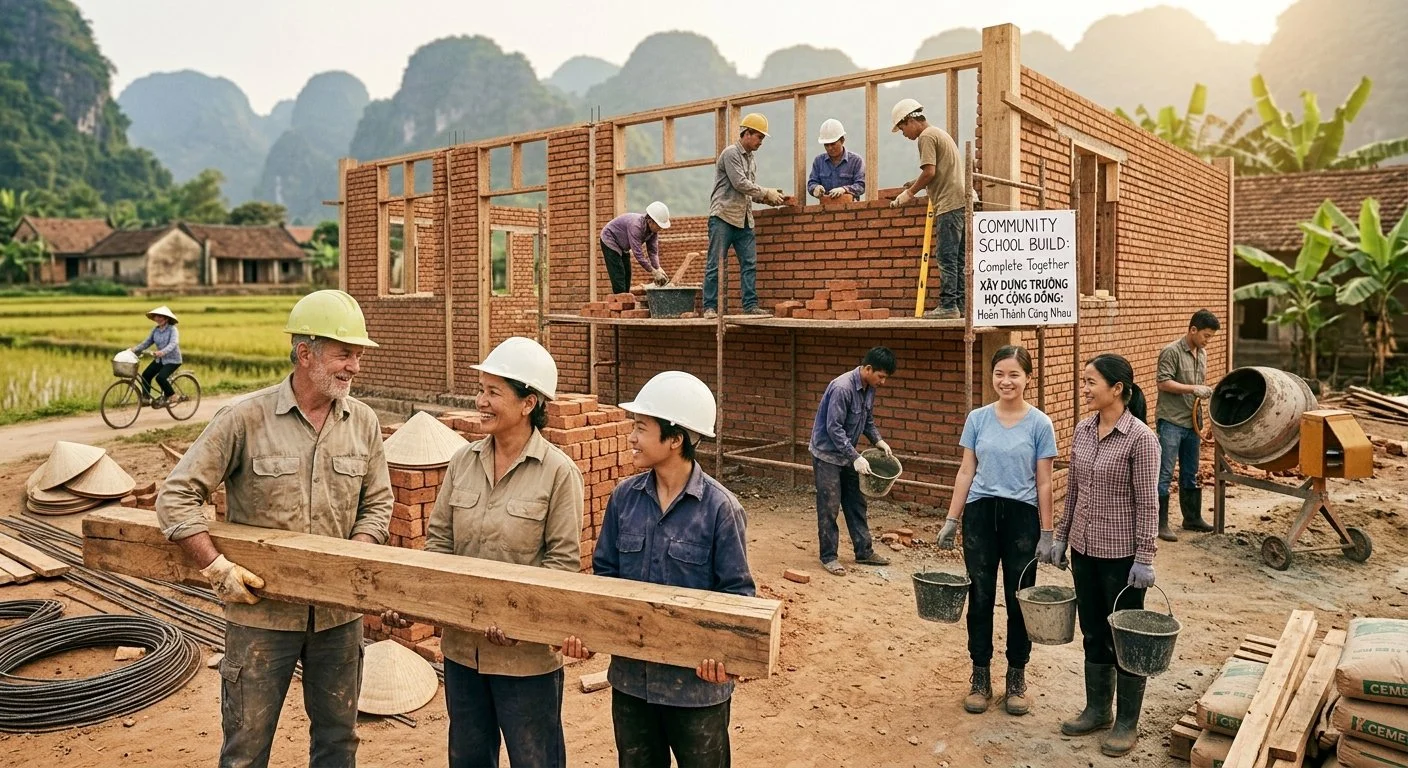
Step 4 - Build Together
We prioritize local workers and craftspeople alongside professional contractors, following safety and local regulations. Partners coordinate volunteers where it makes sense, and we oversee the site through completion so the community sees the school as its own.